


Blogs

How Does Marriage Change Your Identity?
Getting married can quietly shift people from connection into performance. Under family pressure, cultural expectations, and inherited beliefs about what marriage ‘should’ look like, many individuals stop showing up authentically and begin trying to become the ‘perfect’ partner instead. A relationship that once felt emotionally safe can slowly start to feel like something. When perfection replaces vulnerability, couples can begin losing the very emotional closeness they were trying to protect.

How Do I Find a Therapist Who Understands My Culture?
Many people hesitate to start therapy not because they do not want support, but because they fear being misunderstood. Culture shapes the way we communicate, cope, express emotion, navigate family relationships, and understand mental health itself. A culturally attuned therapist recognizes these layers instead of overlooking them. Therapy should not feel like a space where you need to explain or minimize parts of your identity in order to be understood. Feeling emotionally safe, culturally respected, and genuinely seen can make healing feel more accessible, collaborative, and empowering.

Why Do I Feel So Rushed Every Morning?
Do your mornings still feel rushed, even when you have time? If you were raised by immigrant parents, that urgency may be more than a habit—it may be your nervous system. Here’s how it forms, and how to gently shift it.

How Do Childhood Experiences Shape Mental Health in Adulthood?
Many people hear the word trauma and think, “that doesn’t apply to me.” But trauma isn’t always obvious—and it often lives in the small, repeated experiences from childhood that shaped how safe, seen, or supported you felt. If you’ve ever wondered why you feel on edge, shut down, or overwhelmed at times, your nervous system might be holding more than you realize.

What Is DPDR and Why Does It Happen After Trauma?
The experience of feeling detached—from yourself, from the world—can be deeply unsettling. But beneath it is a nervous system doing its best to manage overwhelm, even if the way it does so feels confusing.
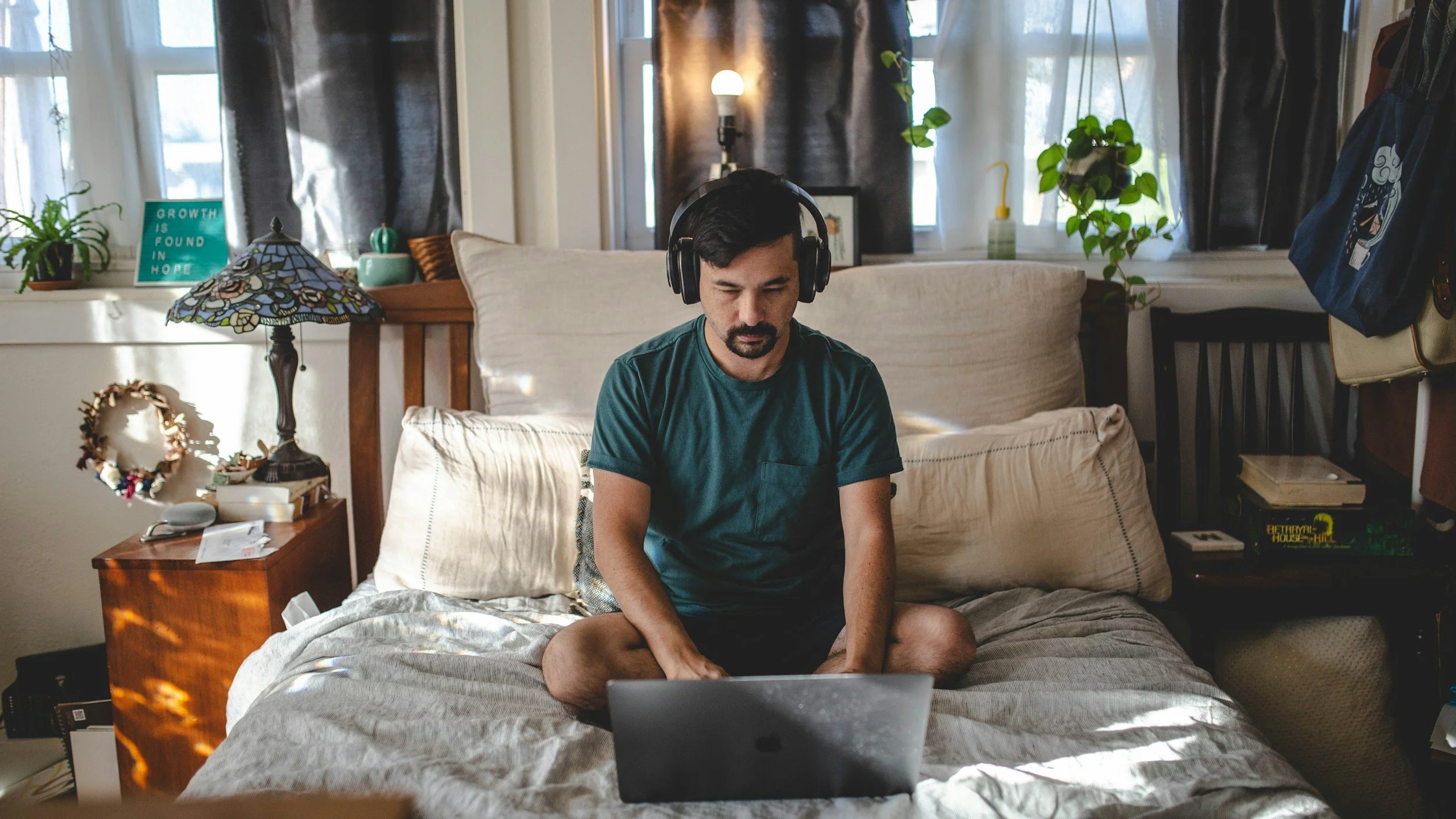
Can Constant Cleaning or Organizing Be a Trauma Response?
Have you ever noticed yourself repeatedly rearranging or tidying your room and wondered why? For many, especially those with experiences of childhood trauma, this quiet urge can be more than just a habit—it can be a way of creating a sense of control, safety, and calm when things feel internally unsettled.

Why Am I Always the "Problem" in My Family?
Growing up with a narcissistic mother, a daughter is often cast as the “problem,” and this can quietly shape how she sees herself—leading even the most capable, high-achieving women to carry self-doubt, guilt, and a persistent feeling that they are never quite enough, no matter how much they accomplish.

What Is It Really Like to Work Away from Home in Oil and Gas?
Long rotations, time away from home, and high-pressure work environments can quietly build stress over time, making it harder for many men in the trades to rest, reconnect, and fully recover.

Why Do So Many Women Discover They Have ADHD as Adults?
ADHD in women is often overlooked growing up, only becoming more visible later in life as responsibilities increase — revealing a different way of thinking, not a personal shortcoming.

Why Am I More Anxious in My 40s and 50s?
Midlife stress can feel more intense for women due to hormonal changes that increase the body’s sensitivity — a physiological shift, not a personal failure.